Smart Low Volume Manufacturing Strategies for Agile Product Development
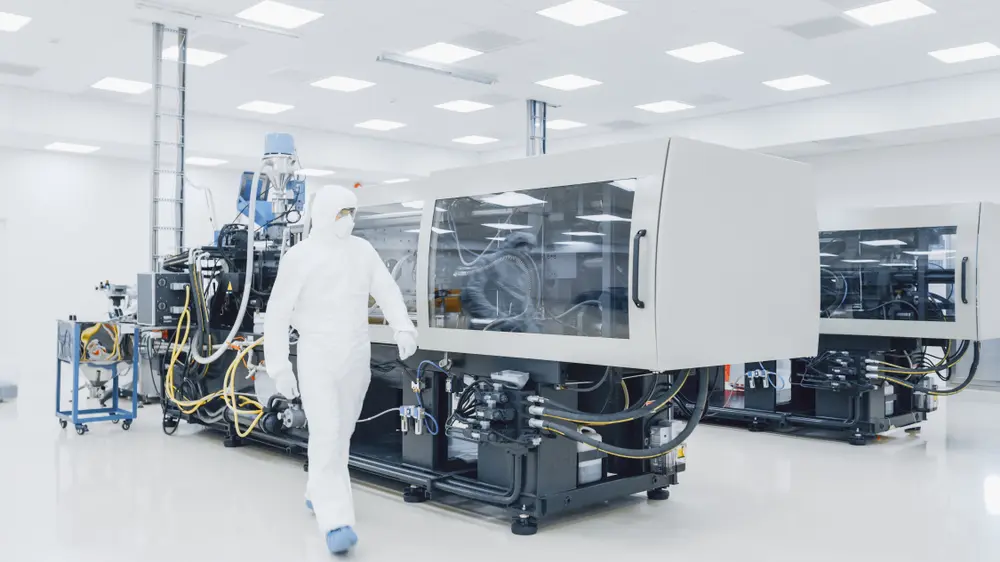
Low volume manufacturing solutions play a critical role in today’s fast evolving industrial landscape. Businesses across automotive, medical, aerospace, drones, and industrial equipment are no longer dependent only on mass production to succeed. Instead, they increasingly rely on flexible manufacturing models that allow them to produce smaller quantities with high precision, controlled costs, and faster turnaround times.
Low volume manufacturing enables companies to test ideas, enter niche markets, customize products, and respond quickly to changing customer needs. For startups, product innovators, and established enterprises alike, solutions tailored for low production runs reduce risk while maintaining quality and performance.
At Amuse 3D, low volume manufacturing is not treated as a compromise. It is treated as a strategic advantage that blends Additive manufacturing, CNC Machining Services, Injection Moulding, and advanced Design and Application expertise under one roof.
Understanding Low Volume Manufacturing
Low volume manufacturing refers to the production of a limited number of parts or products, typically ranging from a few units to a few thousand. Unlike mass production, the focus is on flexibility, customization, and speed rather than scale alone.
Businesses opt for low volume production for several reasons. Product development cycles are becoming shorter. Market validation is essential before committing to large investments. Customization is often required for specific customers or applications. Regulatory approval processes, especially in medical and aerospace sectors, demand iterative design improvements before full scale production.
Industries that benefit most from low volume manufacturing include automotive, medical devices, aerospace and defense, drones, robotics, industrial automation, and specialized consumer products. Applications such as 3D Printing Automotive components, Medical 3D Printing devices, 3D Printing Drone assemblies, and 3D Printing Aerospace & Defense parts often require precise control over materials, geometry, and performance at lower quantities.
Key Technologies and Solutions in Low Volume Manufacturing
Additive Manufacturing
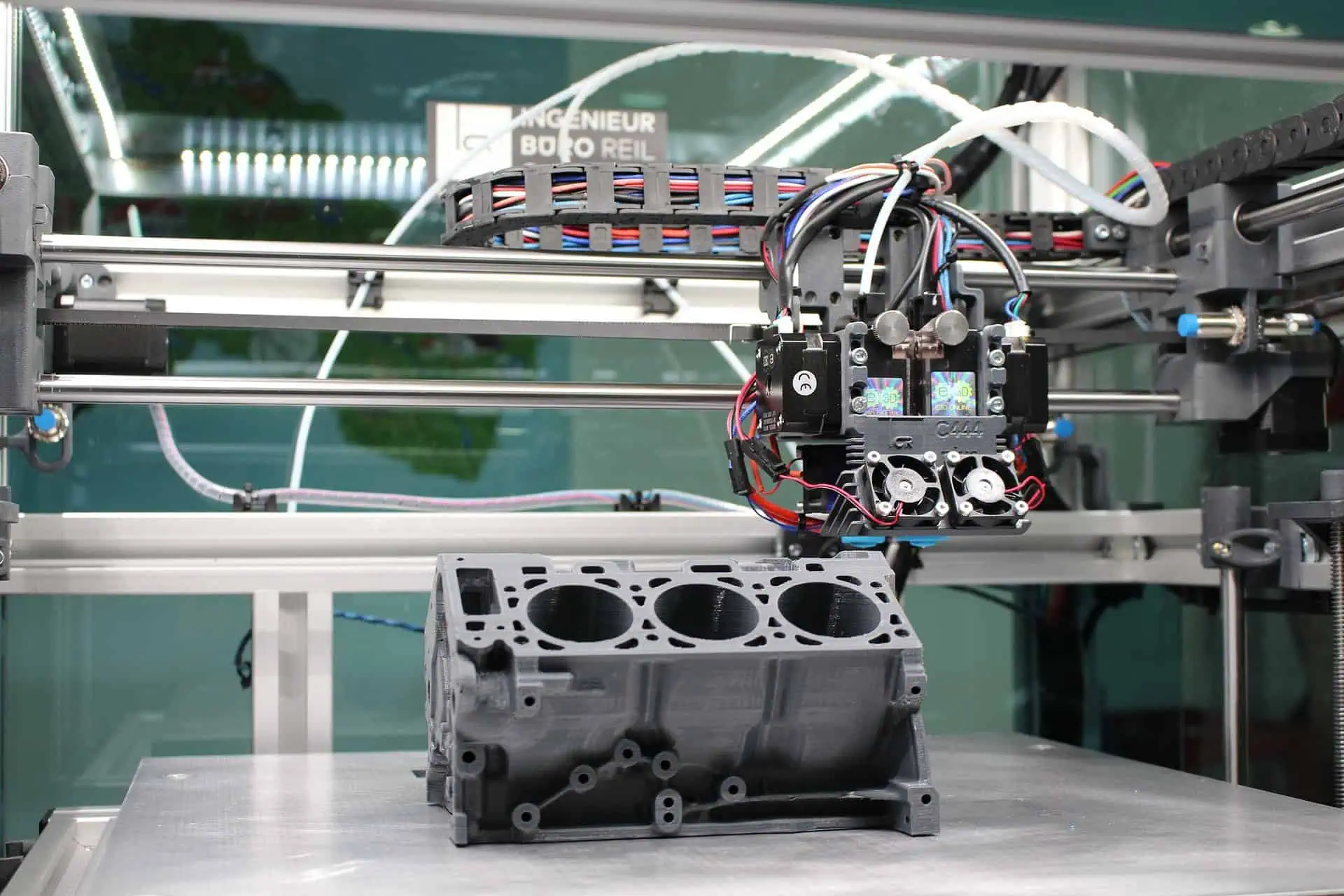
Additive manufacturing is one of the most powerful enablers of low volume manufacturing solutions. By building parts layer by layer directly from digital models, it eliminates the need for expensive tooling and significantly reduces lead time.
For low volume production, additive manufacturing offers unmatched flexibility. Design changes can be implemented instantly without additional tooling costs. Complex geometries that are impossible or expensive to produce using traditional methods become feasible. This is especially valuable in HP MJF 3D Printing Services, where functional strength, dimensional accuracy, and surface consistency are critical.
Industries such as automotive, medical, aerospace, and drones leverage additive manufacturing to create lightweight components, customized housings, jigs, fixtures, and end use parts. Amuse 3D supports a wide range of 3D Printing Services that enable engineers to move seamlessly from prototyping to production.
CNC Machining
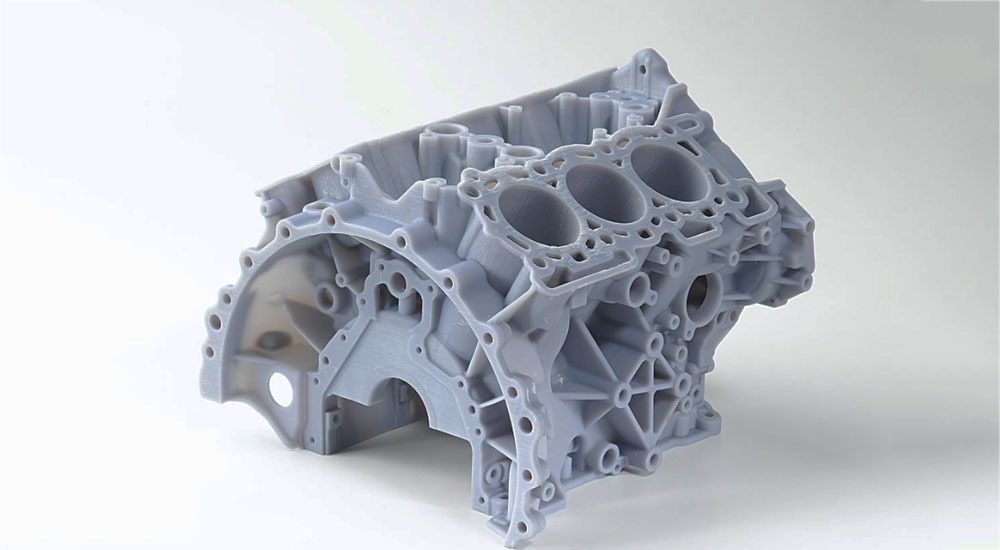
CNC machining remains a cornerstone of low volume manufacturing, particularly when tight tolerances, specific surface finishes, and material properties are required. CNC Machining Services are ideal for producing custom metal and plastic components in low quantities with consistent accuracy.
Custom CNC solutions are widely used for enclosures, brackets, housings, and structural components across industrial and electromechanical applications. CNC machining also complements additive manufacturing by finishing printed parts or producing tooling inserts for Injection Moulding.
For prototyping for niche markets, CNC machining provides predictable performance and repeatability. It is often the preferred method for functional testing and early production runs where mechanical strength and precision are non negotiable.
Benefits of Low Volume Manufacturing Solutions
Low volume manufacturing solutions offer several strategic advantages for businesses of all sizes.
One of the most important benefits is reduced risk. Companies can validate designs, test market demand, and gather user feedback without committing to large production volumes. This approach supports faster market entry, especially for startups and innovation driven teams.
Cost control is another key advantage. By avoiding upfront tooling investments, businesses can allocate resources more efficiently. Additive manufacturing and CNC machining allow companies to pay for parts as needed, rather than locking capital into inventory.
Low volume manufacturing also supports customization and iteration. Changes in design, material, or functionality can be implemented quickly. This flexibility is critical in industries where performance, compliance, or customer specific requirements evolve rapidly.
Companies like Formlabs have demonstrated how low volume manufacturing enables rapid prototyping and early stage production for innovative products. Similarly, organizations like Goddard Technologies have leveraged low volume manufacturing to develop specialized electromechanical systems with precision and reliability.
Challenges and Solutions
Challenges
Despite its advantages, low volume manufacturing presents certain challenges. Per unit costs can be higher compared to mass production, especially when inefficient processes are used. Scaling from low volume to higher production levels can also introduce complexity if the manufacturing strategy is not planned carefully.
Maintaining consistency and quality across small batches is another concern, particularly in regulated industries such as medical and aerospace. Without robust quality systems and process control, variations can occur.
Solutions
Advancements in automation in manufacturing and digital workflows have significantly reduced these challenges. Automated inspection, real time monitoring, and data driven quality control ensure consistency even at low volumes.
Technologies from companies like Cognex enable intelligent inspection and automation, improving accuracy and reducing manual intervention. Integrated manufacturing setups that combine Additive manufacturing, CNC machining, and Injection Moulding under one roof further streamline production and simplify scalability.
At Amuse 3D, automation, process standardization, and certified quality systems ensure that every low volume project meets global performance and compliance standards.
Case Studies and Real World Examples
Low volume production case studies across industries highlight the practical value of flexible manufacturing.
In the medical sector, Medical 3D Printing is used to produce patient specific devices, surgical guides, and diagnostic components in limited quantities. These applications demand high precision, biocompatible materials, and rapid iteration.
In automotive and drone applications, low volume manufacturing supports the production of lightweight structural parts, functional prototypes, and customized assemblies. 3D Printing Automotive and 3D Printing Drone projects often require rapid design changes and performance validation before larger deployment.
Electromechanical systems developed by organizations like Goddard Technologies demonstrate how low volume manufacturing enables innovation in complex assemblies where precision and reliability are essential.
Future Trends in Low Volume Manufacturing
The future of low volume manufacturing solutions is closely tied to digital transformation and intelligent automation. Hybrid manufacturing models that combine additive manufacturing, CNC machining, and Injection Moulding will become more common.
Materials innovation, improved software driven Design and Application workflows, and smarter automation in manufacturing will further reduce costs and lead times. As global supply chains evolve, low volume manufacturing will play a key role in localized and on demand production strategies.
Industries such as aerospace and defense, medical devices, and advanced mobility will continue to push the boundaries of what low volume manufacturing can achieve.
Conclusion
Low volume manufacturing solutions are no longer a niche approach. They are a strategic necessity for businesses seeking agility, innovation, and competitive advantage. By leveraging Additive manufacturing, Custom CNC solutions, and automation in manufacturing, companies can reduce risk, accelerate product development, and maintain exceptional quality.
At Amuse 3D, we help global industries turn ideas into reality through advanced 3D Printing Services, CNC Machining Services, and Injection Moulding, all backed by strong Design and Application expertise.
If you are exploring low volume manufacturing solutions for your next project, visit our website to learn more. Contact us today to discuss your requirements and get a quote tailored to your application.

.png)