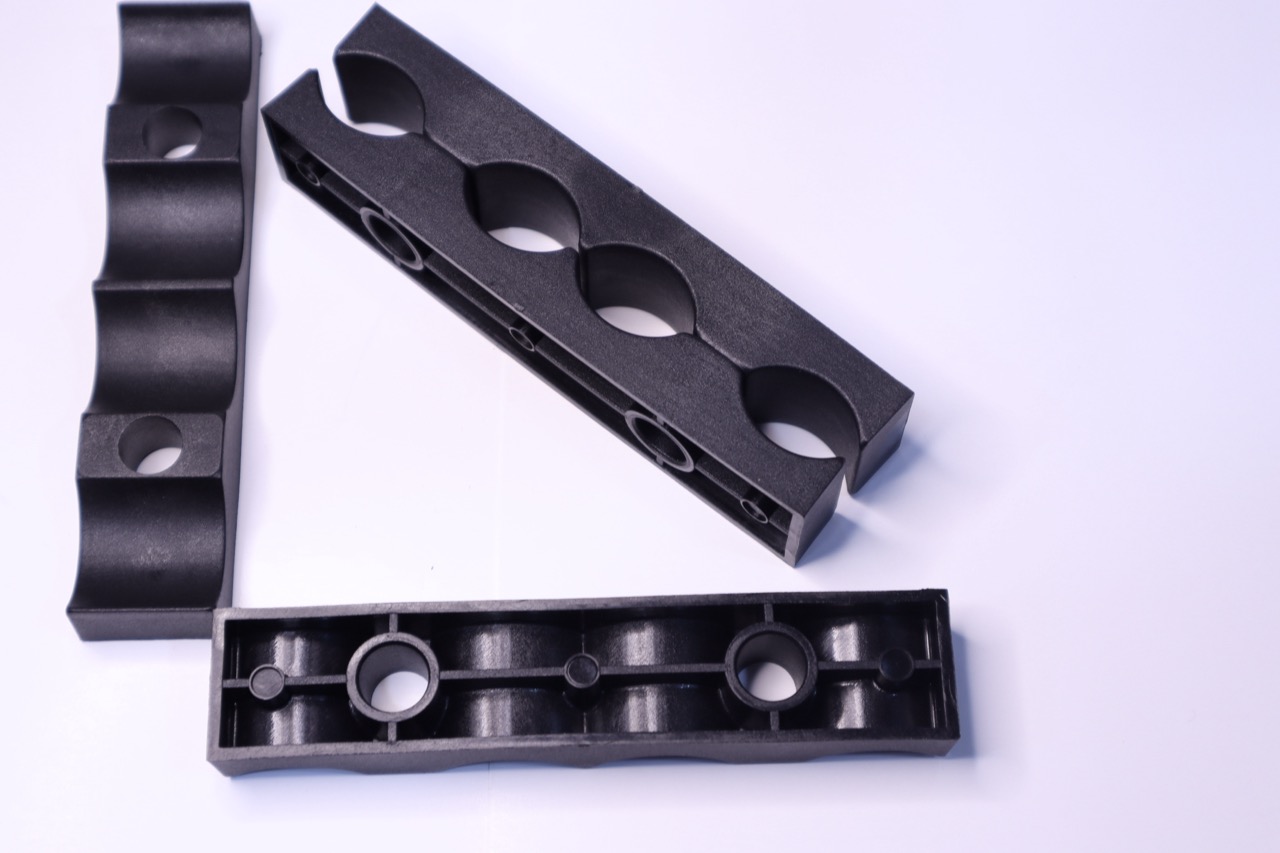
Rapid Tooling vs Rapid Injection Moulding: Understanding the Difference
Launching a new product requires the right balance of speed, quality, and cost. Many companies use 3D Printing Services and CNC Machining Services to design, develop, and test their products. When it comes to producing plastic components, choosing the right process becomes essential. Some terms one will come across during this process include rapid tooling and rapid injection moulding.
Although both are related to injection moulding, they serve different purposes. Each has a unique function in product development. Understanding the difference helps you avoid unnecessary costs, prevent any delay, and choose the right rapid injection moulding process for your product.
What Is Rapid Tooling?
Rapid tooling is the process of creating moulds quickly to test and validate a product before full-scale production. Instead of waiting several weeks for traditional tooling, manufacturers use faster production methods to create moulds in a much shorter time.
Rapid tooling is widely used for:
- Testing products
- Functioning prototypes
- Detailed design validation
- Small-scale productions
- Market testing
Many businesses use rapid tooling and rapid prototype manufacturing for injection moulding.
Technologies such as HP MJF 3D Printing Services, 3D Printing Services, and CNC Machining Services help manufacturers produce rapid tooling with high accuracy and shorter lead times.
What is Rapid Injection Moulding?
Rapid injection moulding is a manufacturing process that uses quickly fabricated moulds, typically aluminium moulds, to produce plastic products in low- or medium-volume batches.
Unlike traditional production that relies on expensive steel moulds, fast injection moulding uses faster, cheaper tools.
It is commonly used for:
- Pilot production
- Product launch
- Customer samples
- Bridge production
- Low-volume manufacturing
Many manufacturers simply refer to this process as rapid injection moulding. One of the biggest advantages of rapid injection moulding is its ability to produce real plastic parts using production-grade materials. These can be used in product tests and customer evaluations.
Rapid Tooling vs Rapid Injection Moulding: The Key Difference
When Should You Choose Rapid Tooling?
If you want to test the strength, function, and fit of a design using materials used in actual production, then rapid tooling is the way to go for injection moulding. This process is widely used in the development of functional prototypes that must undergo stress, heat, or field tests.
Unlike basic 3D prints, rapid tooling for injection moulding creates components that share the same physical characteristics as the final product. This technology allows manufacturers to produce a limited number of high-quality parts for reliable testing.
Aluminium Mould or Steel Mould: Which Stage Is Your Product At?
The decision on whether to use an aluminium injection mould or a production mould made of steel totally depends on how developed your product is and how many moulds you want to manufacture:
5 Questions to Ask Before Choosing Your Manufacturing Route
The right production process can be determined by asking yourself these five questions:
- How many parts are required? Low part volumes are suitable for rapid tooling, but high volumes require steel tooling.
- Is your design complete? In case you aren’t sure, rapid tooling is more flexible and cheaper to change.
- What is your deadline for the part production? Rapid processes work well when there is no time to waste.
- Do you require production-ready materials? Rapid prototype manufacturing and rapid tooling help evaluate the design and test moulded parts for strength and performance.
- What is your budget? The fast manufacturing method allows for lower initial expenditure, thereby reducing costs while remaining adaptable and scalable.
A Practical Route From Prototype to Serial Production
Smart companies follow a step-by-step product development process rather than moving straight into mass production. Most companies begin with 3D Printing Services to create and validate prototypes for industries such as automotive, medical, drone, and aerospace.
Once the design is validated, they use rapid injection moulding to produce low volumes using actual materials for testing purposes and early sales. Once demand increases, they will then move into steel tooling for high-volume production. This approach reduces costs, minimizes risk, and facilitates a smoother transition to full-scale production.
Rapid Tooling or Rapid Injection Moulding: How to Make the Final Decision
Your project requirements will dictate which one to go for. If you need a fast and cost-effective mould for testing your product design, rapid tooling is the better choice. However, if your solution requires a comprehensive approach which will include mould manufacture, material selection and part production, then rapid injection moulding should be preferred.
Think about your team’s abilities, schedule, and output volume before making a decision. Both have shorter lead times than conventional production and help organizations reduce costs and accelerate development.
Conclusion
Rapid tooling and rapid injection moulding are two important processes involved in product development. Rapid tooling helps create moulds for product testing and validation, while rapid injection moulding produces production-quality plastic parts for low- to medium-volume manufacturing.
At Amuse3D, we provide a complete range of manufacturing solutions, including 3D Printing Services, HP MJF 3D Printing Services, CNC Machining Services, injection moulding, product design, engineering support, and rapid prototype manufacturing for the automotive, medical, drone, aerospace, and industrial sectors.

.png)