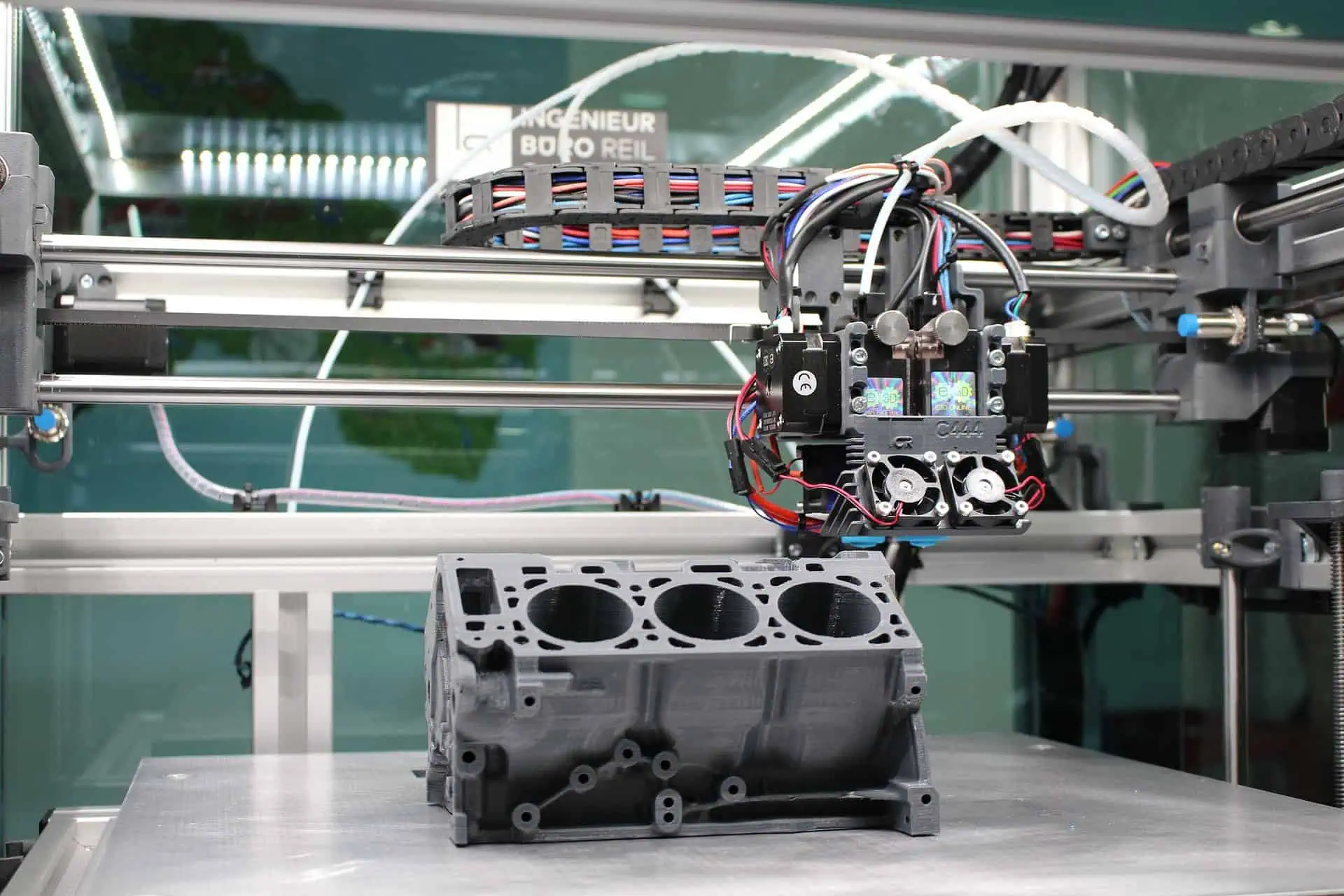
How 3D Printing Is Revolutionizing Modern Robot Manufacturing
The application of 3D printing in robotics has changed how robots are made. Before, manufacturing robot components required significant effort and resources, including heavy machinery, expensive molds, and even time. Using 3D printing robotics, one can now manufacture complex but very efficient robot components.
It is not only about the effectiveness and efficiency of using 3D printing technology in robotics, but also about making robotics available to everybody, including school students using 3D-printed robot Arduino kits, as well as big companies.
Understanding 3D Printing Robotics
Definition and Overview
Robotic 3D printing refers to the use of 3D printing technology by robots. What distinguishes 3D printing from other manufacturing processes, such as CNC machining and injection molding, is the process each involves. Contrary to CNC machining services, which rely on cutting, and injection molding, which uses molds to create parts, the process of 3D printing robots involves adding material in layers.
Current Trends and Innovations
This trend involves the adoption of "functional integration", whereby the sensing equipment and wiring pathways are embedded during printing. The second trend involves the utilisation of high-quality materials. Early uses of 3D printing in robot development involved basic plastics. However, the latest trend uses carbon fibre-enhanced filaments and powders. An example of high-quality material use is evident in HP MJF 3D Printing Services, which creates robust, ready-to-use robot components.
Top 3D Printed Robot Projects
- Featured Projects
There are so many types of robots that can be designed using 3D printing. These include humanoid assistants and customised arms designed for industrial use. Another example includes the use of hexapod robots. These robots can be printed using 3D printing because their legs have been designed and optimised to function efficiently on certain types of terrain. Regarding 3D-printing drones, lightweight structures have been designed using 3D-printing robotics.
- Open Source Contributions
This field has been flourishing mainly due to the community itself. The vast majority of designers create 3D printed robot open source designs. Anyone can get hold of it and make modifications. So, if you need a free 3D-printed robot download, there is no problem. There are plenty of schematics available on Thingiverse and GitHub that have contributed to the development of many robot kits and robotic hands.
Benefits of 3D Printing in Robotics
Weight reduction is the first benefit. When it comes to robotics, every kilogram counts. The lighter the robot, the less energy it requires to move, thereby making it faster. By using 3D printing for robotics, "topology optimisation" is used to design components with minimal material where it's not required for strength.
Moreover, 3D printing robotics offers immense flexibility. If the part break down or if additional sensors are required, the design file can be easily modified and the part printed again. Compared to the tooling required for injection moulding, this approach makes a lot of financial sense, whether in medical 3D printing or in 3D printing automotive robots for car assembly.
Challenges in 3D printing Robotics
There are also challenges addressed, as discussed in the many benefits. One such challenge is strength. 3D-printed parts usually have lower strength than those made by CNC machining. In addition, it might be challenging to achieve the required accuracy for fast-spinning bearing parts and motor mounts with a basic 3D printer. Therefore, some people prefer industrial 3D printing due to its greater precision.
Getting Started with 3D Printed Robotics
Tools and Resources
Firstly, it is important to get the right 3D printing robotics software. Software such as Fusion 360 or SolidWorks will do the job perfectly for designing the parts, and slicing software helps create printable files. For those more interested in logic and movement, 3D-printed robots powered by Arduino are the best choice.
Step-by-Step DIY Guide
- Find a design: Find a robot design that can be printed in 3D and download it freely from the Internet.
- Select Materials: Use PLA for the prototype and PETG or nylon for functionality.
- Printing: Have the professionals do the printing if an industrial-strength version is required.
- Assembly: Include your motor components, sensor components, and Arduino controllers in your 3D printer robot.
- Coding: Use 3D printing robot coding software to code its operation.
Future Prospects of 3D Printing Robotics
The future is here with multi-material printing and automation technology. We are fast approaching the day when a printer will be able to manufacture a robot with both stiff bones and pliable skin in a single print run. This will be important for 3D printing in the aerospace industry because the robot must operate under harsh conditions.
Conclusion
3D printing is helping make the manufacturing of robots easier, quicker, and cheaper. This helps individuals manufacture lighter, high-performance parts. By using parts such as the 3D printed robot Arduino and other free parts available at 3D printed robot download free, you can start manufacturing robots right away.
Also, industries have begun using this method alongside CNC Machining services and injection moulding. All in all, it is safe to say that 3d printing services will greatly affect the future of robotics.
Feel free to contact us today for more information on our services. Get Instant Quote for your next robotic project.

.png)