Polypropylene 3D Printing: Properties, Tips & Applications
Material selection is extremely important in manufacturing. One such material widely used is Polypropylene (PP), which can be seen everywhere, right in your own house. From your storage boxes to the bumpers of your cars, they can all be made of polypropylene plastic.
As 3D printing technology has advanced, another type of polypropylene 3D printing has emerged. These plastics have many properties that no other type of plastic can offer.
Topics we will cover:
- What is Polypropylene 3D Printing?
- Key Characteristics of Polypropylene Filament
- Techniques for Success: Temperature and Settings
- PP vs. Other Materials (PLA, ABS, Nylon)
- Market Availability and Services
- Challenges to Consider
- Industry Applications
What is Polypropylene 3D Printing?
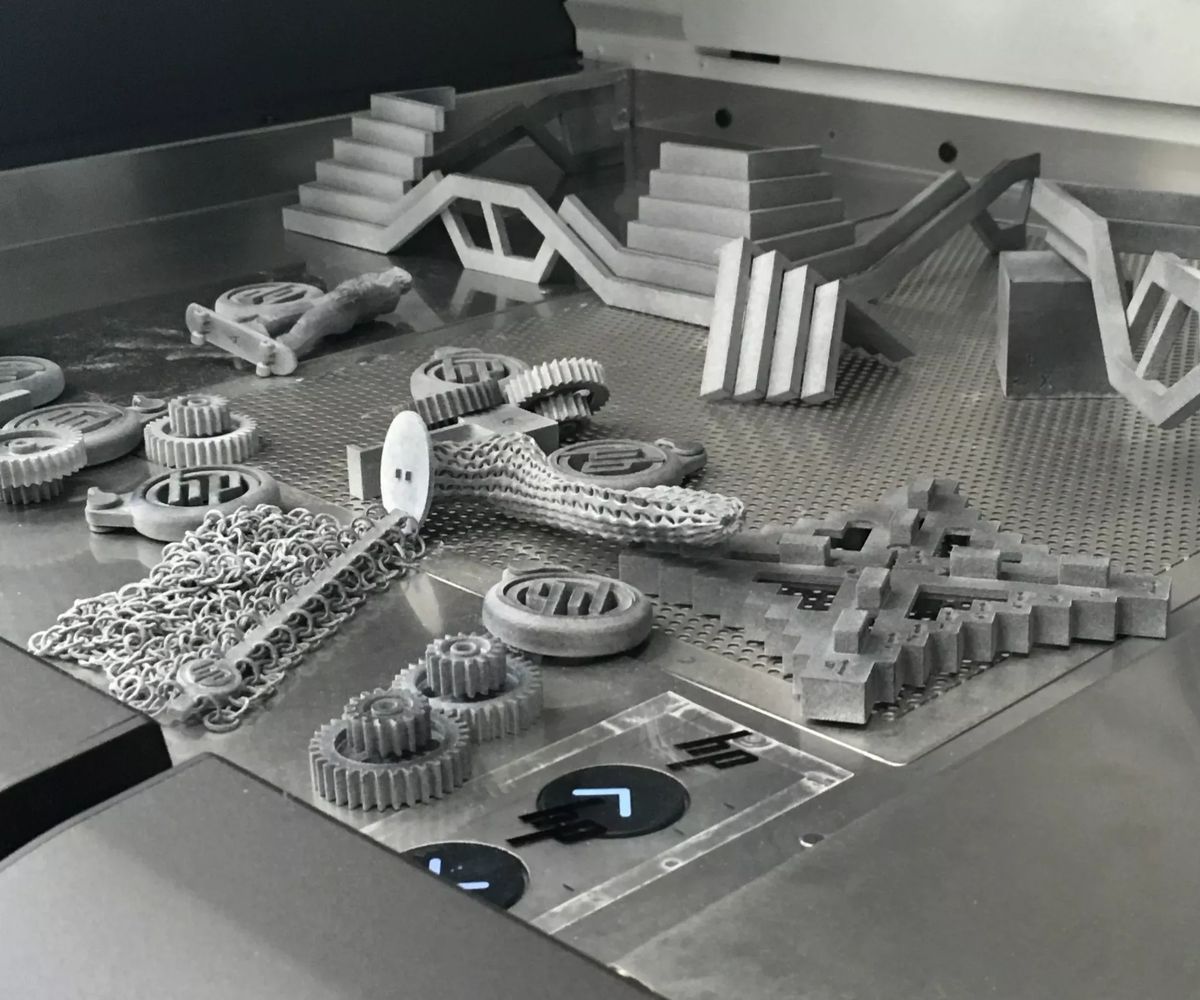
Polypropylene is a semi-crystalline thermoplastic. In simpler terms, it is a plastic material that maintains its strength even after bending, without reacting to chemicals. Polypropylene 3D printing involves using the material in its filament form with FDM machines and in its powder form with HP MJF 3D Printing Services.
Although traditionally used in Injection Molding, PP has found its way into 3D printing. It is now enabling designers to make designs that could never have been made before. For those interested in 3D printing in Chennai, this is one plastic material you should consider.
Characteristics of Polypropylene Filament
Using Polypropylene Filament, you get the benefit of a filament with exceptional fatigue resistance. It bends repeatedly without breaking.
- Chemical Resistance: It is highly resistant to acids, bases, and organic solvents.
- Lightweight: It is lightweight due to its low density.
- Moisture Resistance: It is more moisture-resistant than nylon filament.
- Toughness: It is tough because it offers a good balance of stiffness and flexibility.
Techniques and Tips for Successful Printing
3D printing with PP filament is very exciting, but it demands accuracy. Firstly, one should consider the Polypropylene 3D printing filament temperature, which, as a rule, is within 220°C-250°C for the nozzle temperature.
Due to PP being rather reluctant to adhere to other materials, the Polypropylene 3D Printing Machine should be equipped with a heated print bed (85°C-100°C). The best practice is to apply Polypropylene adhesive tape to your print surface to ensure the bottom layer adheres well.
Polypropylene vs. Other Materials
How does it compare to other materials?
- Compared to PLA: PLA is easier to print, yet fragile. PP is far stronger and heat-resistant than PLA.
- Compared to ABS: ABS is durable yet may break under pressure. PP fares much better at resisting impact.
- Compared to CNC Machining Services: Though CNC Machining Services offer high precision, PP 3D printing enables the creation of hollow shapes and flexible joints, or "living hinges," impossible for machining to achieve.
Market Availability and Industrial Use
In today's world, many Polypropylene 3d printing service providers make use of industrial-grade machines.
- 3D printing automotive: Used in tanks, storage, and interior trim parts.
- Medical 3D Printing: As the material is biocompatible and sterilizable, it finds application in prosthetics.
- 3D Printing Drone: As the Polypropylene filament is lightweight, it is ideal for drones.
- 3D Printing aerospace: Used for lightweight ducting and non-structural aerospace parts.
Challenges in Printing with Polypropylene
The major difficulty here is called "warping." The reason for this is that the material is semi-crystalline. Therefore, it tends to shrink when cooled. That is why it would be much preferable to entrust a professional Polypropylene 3D Printing Service with your work rather than print it yourself.
Conclusion
Polypropylene is ideal for any component that demands water or chemical resistance or flexibility. However, it does call for special conditions, such as the appropriate Polypropylene 3D Printing Temperature. The end products are functional and durable. In cities such as 3D Printing Chennai and beyond, PP is making its presence felt in manufacturing.
Amuse3d is known as one of the top companies in advanced manufacturing, providing high-quality services. Our professionals provide high-quality 3D printing services, including HP MJF, FDM, and SLA. We have been able to develop complicated designs in industries such as automotive, aerospace, and medical. Please do not hesitate to reach out to us today for an estimate or any other information regarding your project.
FAQs -
1. Is Polypropylene 3D printing food safe?
Yes, Polypropylene is naturally food-safe and has been extensively used in the manufacturing of food storage containers. However, due to the formation of micro-ridges on which bacteria can thrive, proper sealing is mandatory when making parts using 3D printing technology.
2. Why does my Polypropylene filament keep peeling off the bed?
Polypropylene has low surface energy, which means it does not bond easily to other surfaces. Therefore, either use a PP-based bed surface or specially made adhesion promoters.
3. Can Polypropylene be used as a replacement for Injection Moulding?
When you require injection-molded components in low to moderate quantities and frequent design alterations are needed, Polypropylene 3D Printing is your best bet.

.png)